

01. Understanding
Effective UX design prioritises user needs with intuitive navigation, clear messaging, and visually appealing design for a seamless experience.
Briefing
In crafting my design process, I infuse a strategic essence by immersing myself in the art of the attentive briefing. I don't just listen; I empathetically step into the client's shoes, delving into their vision amidst the dynamic market landscape. This briefing goes beyond mere notes on interface features — it's a profound dive into the intricacies.
UX Audit
The User Experience Audit (UX Audit) strategically elevates digital products by unveiling accessibility and conversion challenges. While corrective, it's not the final solution; rather, a catalyst for substantial improvements.
This assessment discerns issues impeding the user experience, enabling swift resolutions in harmony with Jakob Nielsen's 10 heuristic principles. The UX Audit signifies a pivotal genesis in the pursuit of success, providing comprehensive insights preluding workshops, including those pivotal in sculpting the overall user experience.
Information Architecture Part 1
In the pursuit of sculpting a robust digital landscape, the intricate interplay between Briefing and UX Audit reveals foundational truths. Briefing sketches the project canvas, outlining goals and stakeholder intricacies, while UX Audit dissects existing challenges. These strategic strides form the cornerstone of Information Architecture (IA), covering 40% to 60% of initial considerations. Yet, true IA mastery calls for a profound understanding of user dynamics. Augmenting these insights through meticulous research and testing unveils user-centric architectures, ensuring a harmonious blend of project requisites and the ever-shifting user landscape. As we embark on this journey, Information Architecture Insights takes center stage — a symphony of foresight and an intimate grasp of user-centric intricacies.
02. Discover
In crafting a seamless user experience, wireframing is our pivotal step. With a mobile-first approach, we create low-fidelity wireframes — a symphony of design simplicity. Each element plays a carefully orchestrated note in the pursuit of an optimal user experience. Testing becomes our compass, guiding us toward a transformative destination. This isn't just wireframing; it's sculpting the digital canvas with precision and foresight.
Workshop
Workshops stand as crucial catalysts, unraveling the profound tapestry of communication barriers within a company's interface. They go beyond the surface, delving deep into the authentic challenges, nuanced operations, and cultural intricacies of users. In these sessions, we illuminate the minute details, paving the way for a tailored approach that not only addresses specific user needs but elevates the entire user experience.
Sprint
Strategically, I harness Sprints as a dynamic tool to accelerate problem-solving, especially when time is of the essence. Beyond that, I deploy Sprints as a key driver in fine-tuning marketing campaigns, acknowledging the profound influence an adept UX Designer can wield in these strategic endeavors.
This assessment discerns issues impeding the user experience, enabling swift resolutions in harmony with Jakob Nielsen's 10 heuristic principles. The UX Audit signifies a pivotal genesis in the pursuit of success, providing comprehensive insights preluding workshops, including those pivotal in sculpting the overall user experience.
Persona
In my customary approach, I intricately carve out two personas: proto-personas and personas, both meticulously sculpted from authentic data extracted from the evolving product. Proto-personas delicately sketch out characteristics, all while maintaining a prudent awareness of inherent limitations — steering clear of unwarranted assumptions. It remains paramount to embrace the fundamental truth that every user is inherently distinctive throughout this meticulous process.
Research
In my research and A/B testing methodology, it's not just about observing user behavior; it's about truly understanding the product's role in the user's daily rhythm. By transcending conventional demographics, I aim for nuanced insights that paint a broader picture. This approach offers a holistic understanding, going beyond surface-level interactions and providing a comprehensive view of user engagement and seamless product integration into their everyday experiences.
User Journey
Delving into the subtleties mentioned earlier, it's the intricacies of the user journey that truly captivate me within the realm of UX design. At this pivotal moment, we ascend to a heightened understanding of the user's perspective, unraveling the complexities of their expectations and frustrations with a meticulous eye for detail.
03. Wireframe
In the realm of UX design, a comprehensive discovery phase isn't just crucial — it's the heartbeat. We embark on a strategic odyssey, navigating with meticulous planning, in-depth research, and wielding tools like proto-personas, mood boards, and journey maps as our compass. This isn't just design; it's a journey to understand and transcend user experience.
Low-fidelity Design
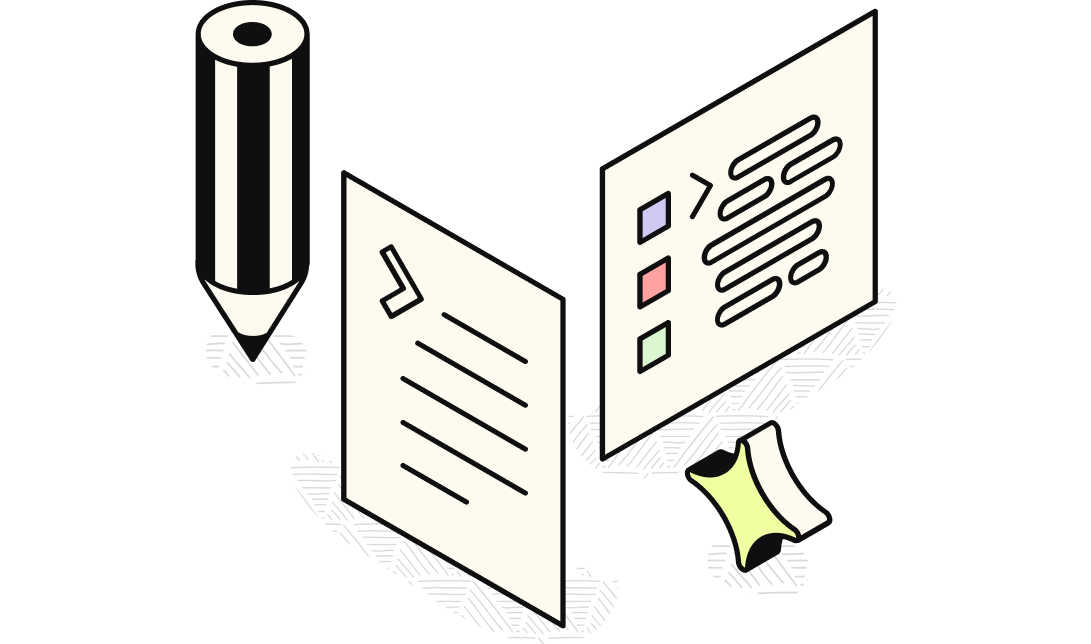
I have a profound affinity for engaging with low-fidelity design — not merely for its technical significance in the process, but for the juncture it provides. It's the moment where the diverse array of ideas, meticulously inked on paper by our team, comes to life.
Wireframe
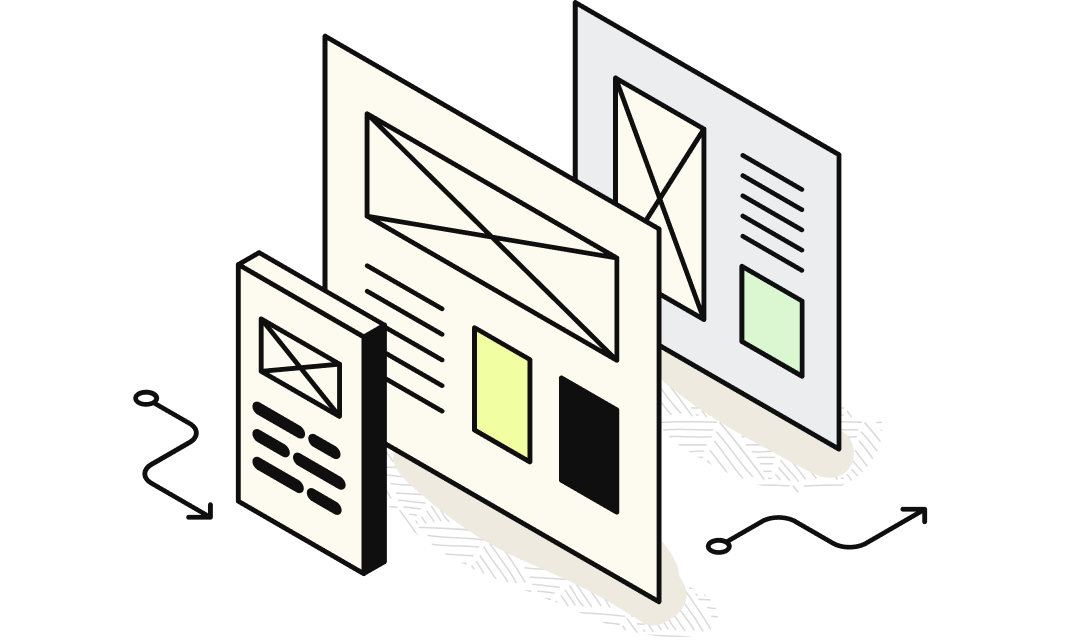
In the realm of intricate projects, wireframes emerge not just as a mere tool but as a compelling narrative — a living case study etched into the project's chronicles. They transcend the conventional, weaving a continuous tapestry that not only guides the design team but also extends a helping hand to our visionary developers. Picture this: a roadmap for testing, a portal to low-fidelity prototypes — these wireframes transcend pixels. They are the silent architects, sculpting the project's destiny even before the UI dances into the limelight. And in this dance, they don't just optimise; they elevate — the unsung heroes in the symphony of cost efficiency.
Testing part 1
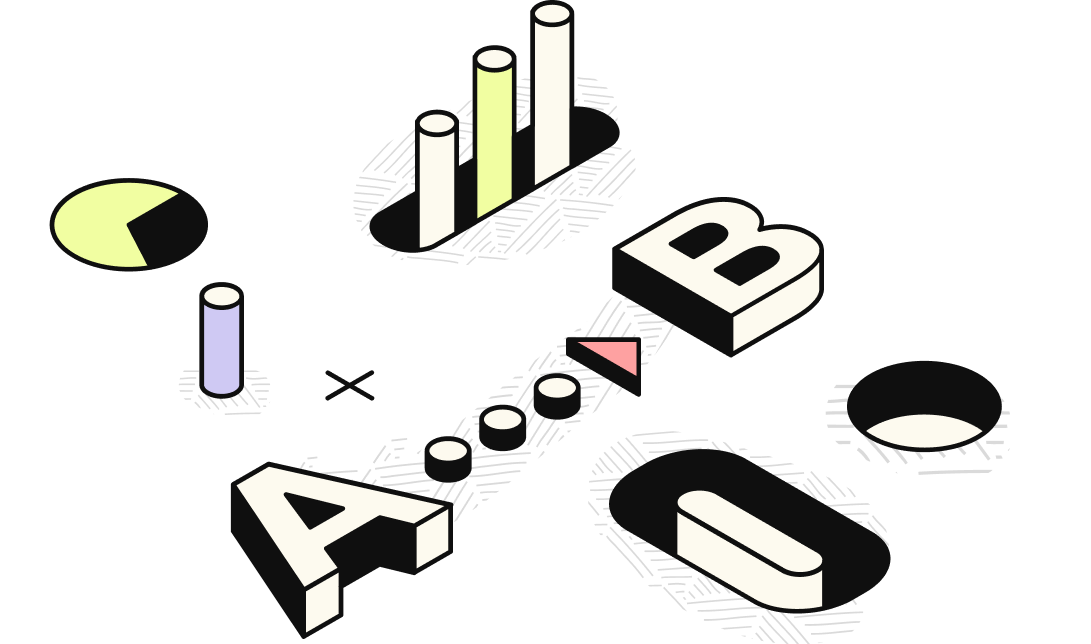
In my customary approach, I intricately carve out two personas: proto-personas and personas, both meticulously sculpted from authentic data extracted from the evolving product. Proto-personas delicately sketch out characteristics, all while maintaining a prudent awareness of inherent limitations — steering clear of unwarranted assumptions. It remains paramount to embrace the fundamental truth that every user is inherently distinctive throughout this meticulous process.
Information Architecture Part 2
In the intricate dance of digital creation, Information Architecture (IA) emerges as the unsung conductor, not merely constructing layouts but infusing life into user experiences. It's not just about how it looks; it's about how it works. From the foundational Briefing to the meticulous choreography of a UX Audit, IA is the quiet maestro orchestrating a narrative where every user journey unfolds like a revelation. It's not navigation; it's a seamless glide through an experience. As we venture into Information Architecture Part 2, we don the mantle of visionaries, shaping not just digital landscapes but the very future of user-centric design.
04. Prototype
Prototyping with Figma, InvisionApp, and UXPin is a crucial UX design phase that involves creating interactive mockups, testing, and refining the user experience.
Tool Lab
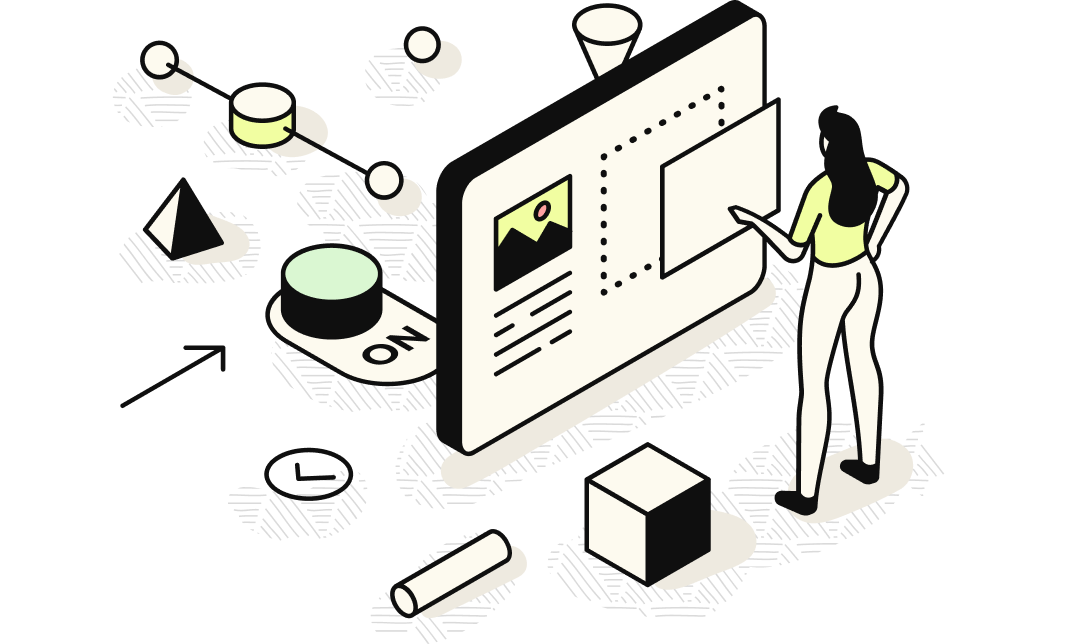
In my arsenal, I wield tools like Invision, UXPin, Sketch, and Figma — my personal J.A.R.V.I.S. Ensuring the project is finely tuned for devmode, I make front-end development a seamless journey, just like a Stark-tech creation coming to life.
Design System
In my journey from Graphic Design, the Brand Guide has been my compass since the early days of my career. Engaging with the Design System extends beyond Figma — it resonates in CSS Global. Here, the Design System, embodied in CSS, elevates the essence of code maintenance, ensuring a harmonious blend of quality and precision.
Testing part 2

In leveraging the prepared Design System and high-fidelity Prototype, our strategic move is to initiate the second round of A/B tests. This pivotal step allows us to rigorously validate the real-world behaviour of these implemented elements. The beauty lies in the seamless integration of A/B tests with nuanced variations in both the Design System and the Prototype. This targeted approach directs our focus to specific areas, maximising our ability to discern and optimise elements that wield substantial influence on the user experience.
05. Testing
Testing and monitoring user behaviour with tools like Hotjar is crucial in UX design, enhancing the user experience to align with your audience's needs and preferences.
Cross-Browser Testing
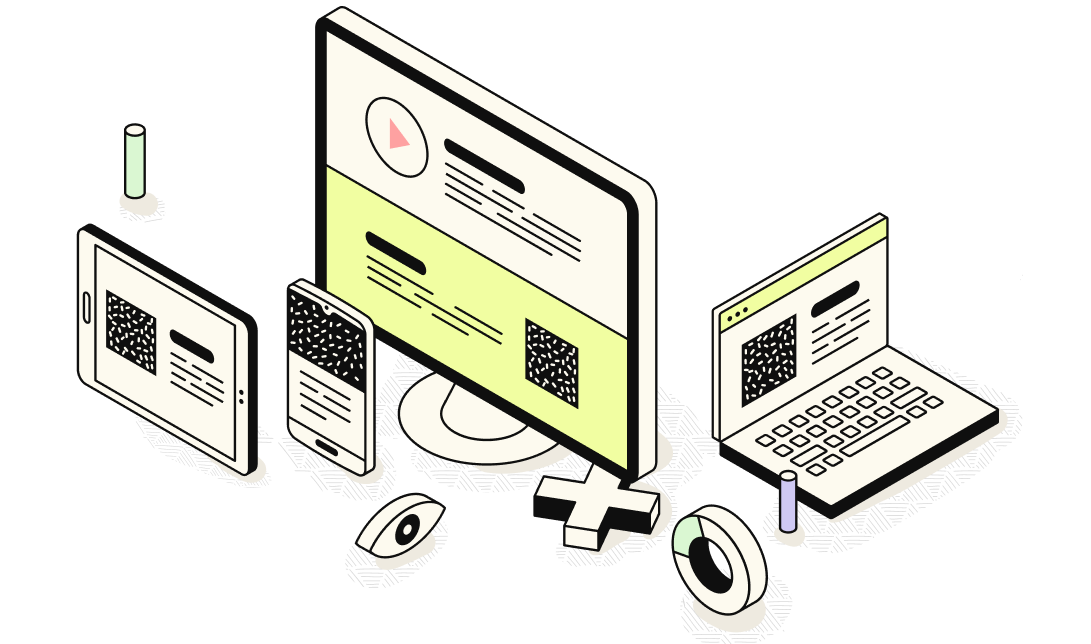
With over a decade of experience since 2010, I've honed the ability to identify and address the classic browser issues. I recognise the crucial importance of ensuring the solutions we develop provide a consistent and optimised experience, regardless of the user's choice of browser. This not only enhances usability but also strengthens user confidence, contributing to the overall success of the digital experience.
Monitoring
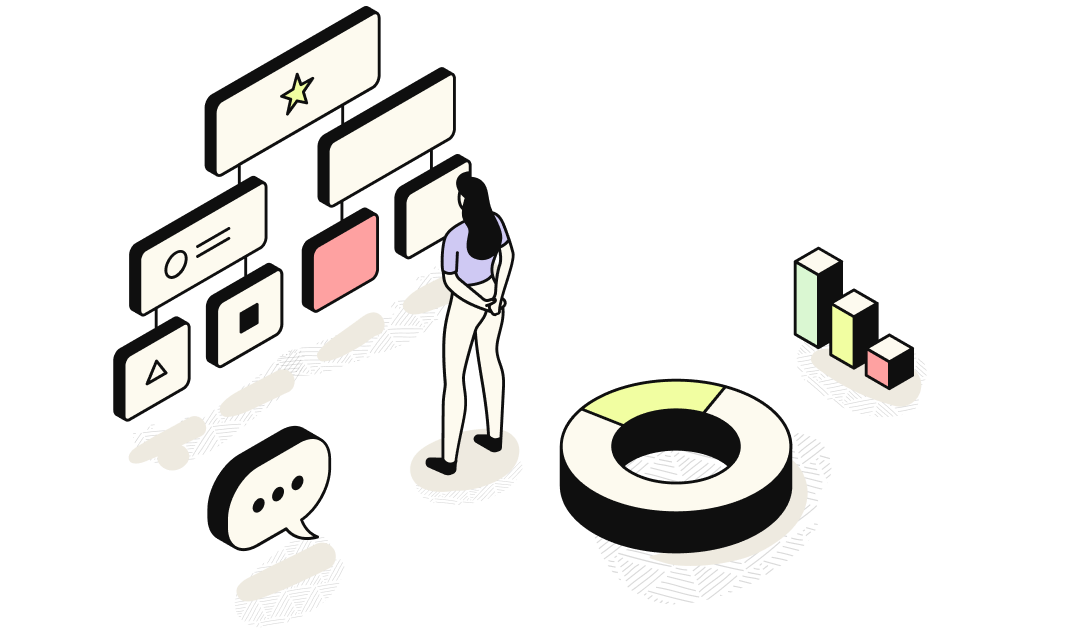
Monitoring isn't about surveillance; quite the opposite — it's about observing your user's behaviour, delving into their interactions, and uncovering new possibilities we might not have imagined. I accomplish this through tools like Hotjar. It's crucial to understand that monitoring is an ongoing process, aligning with the ever-evolving cultural landscape we find ourselves in. Embracing this constant vigilance ensures that we adapt and innovate in step with the dynamic nature of our digital ecosystem.

